edward neo
Traditional Japanese Tattoos made with Care and Confidence
about
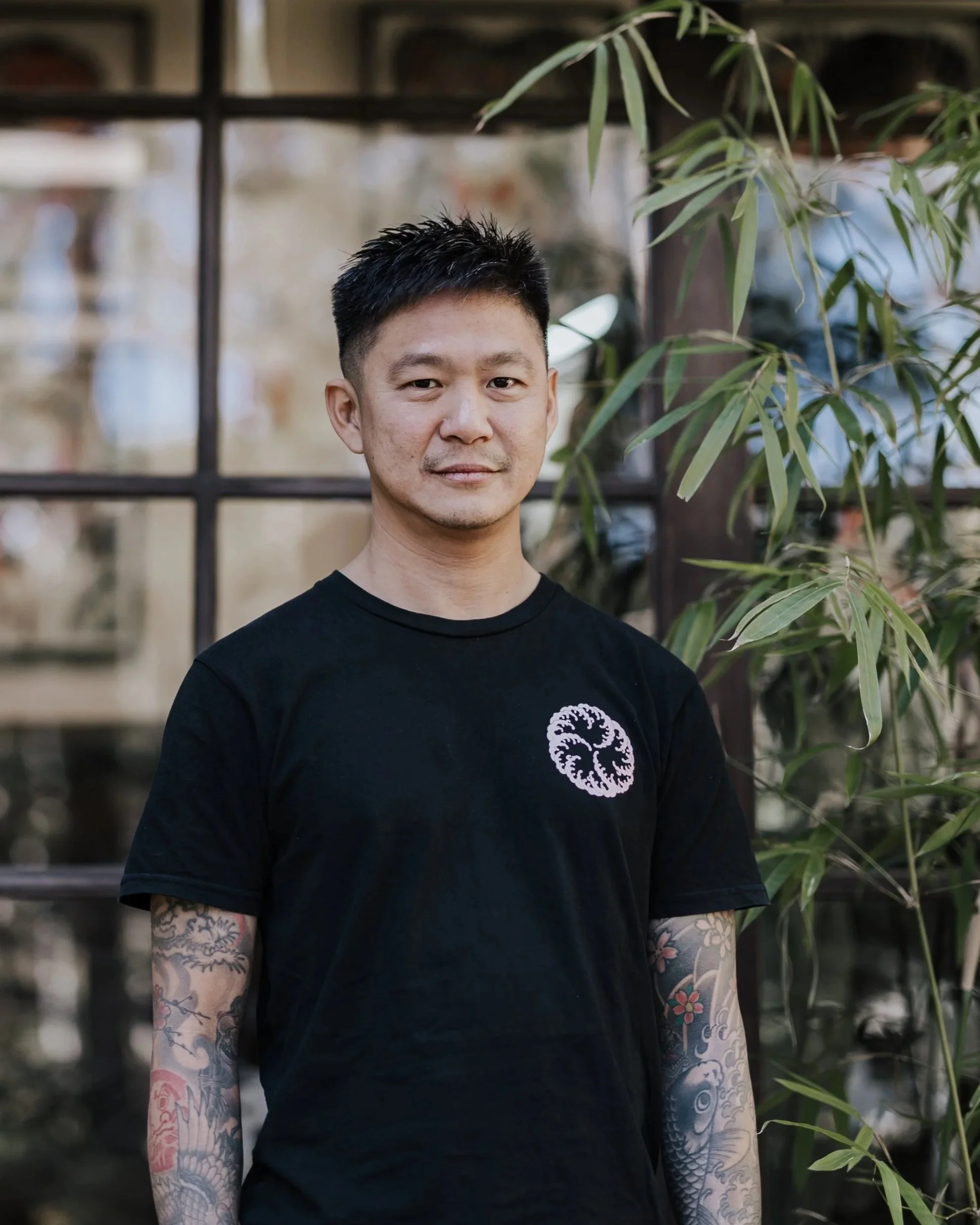
Edward is a Singaporean tattooer who has been tattooing on the Sunshine Coast, Queensland for nearly a decade.
He sets his focus on creating large scale, impactful and long lasting pieces that speak beyond aesthetics for his clients. Being of Chinese descent, the oriental culture is deeply rooted in his upbringing.
Edward has a deep passion for traditional Japanese tattoos (wabori), and using his Japanese language skills, has been studying them closely for the past 7 years.
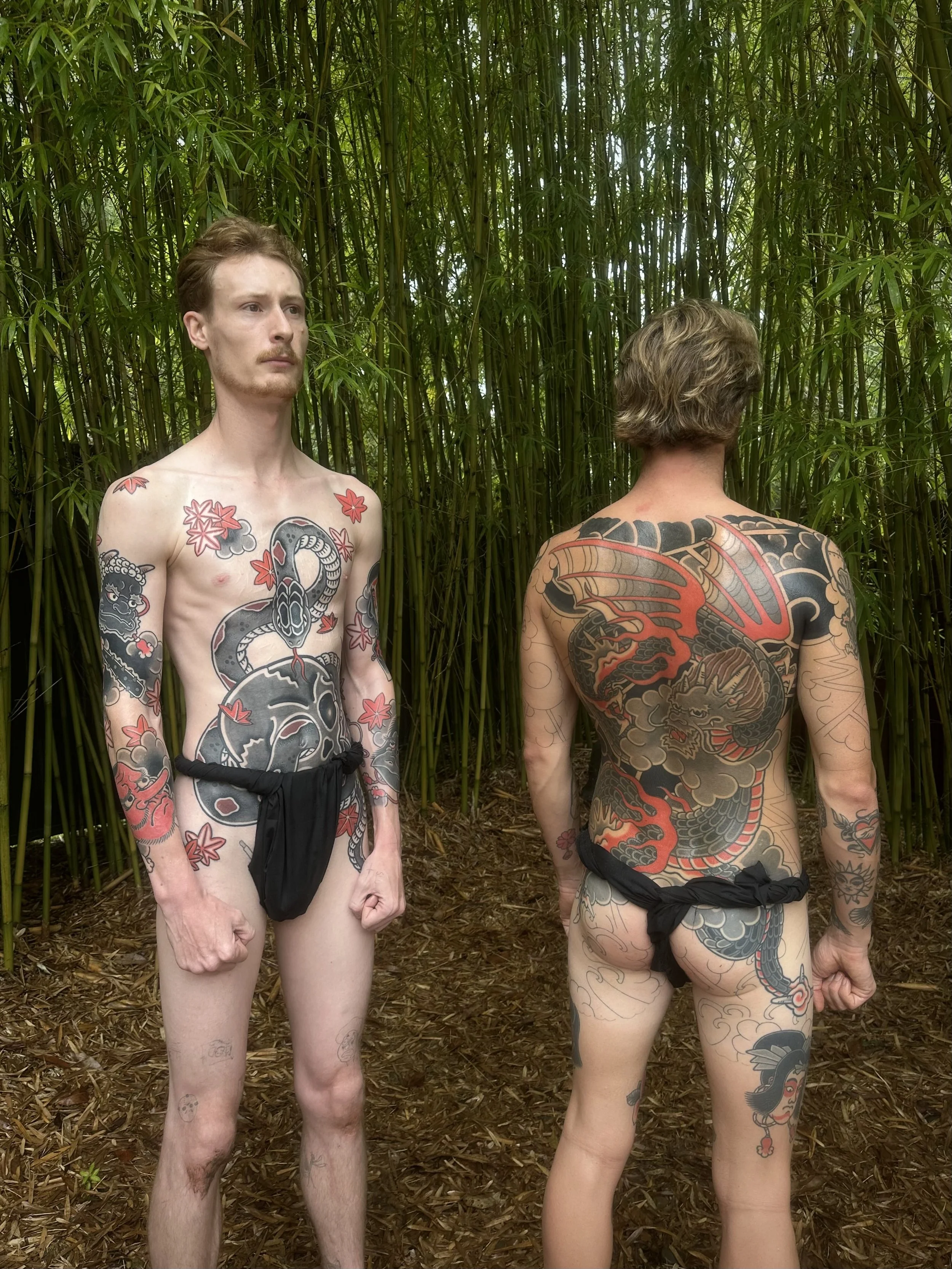
traditional japanese tattoos
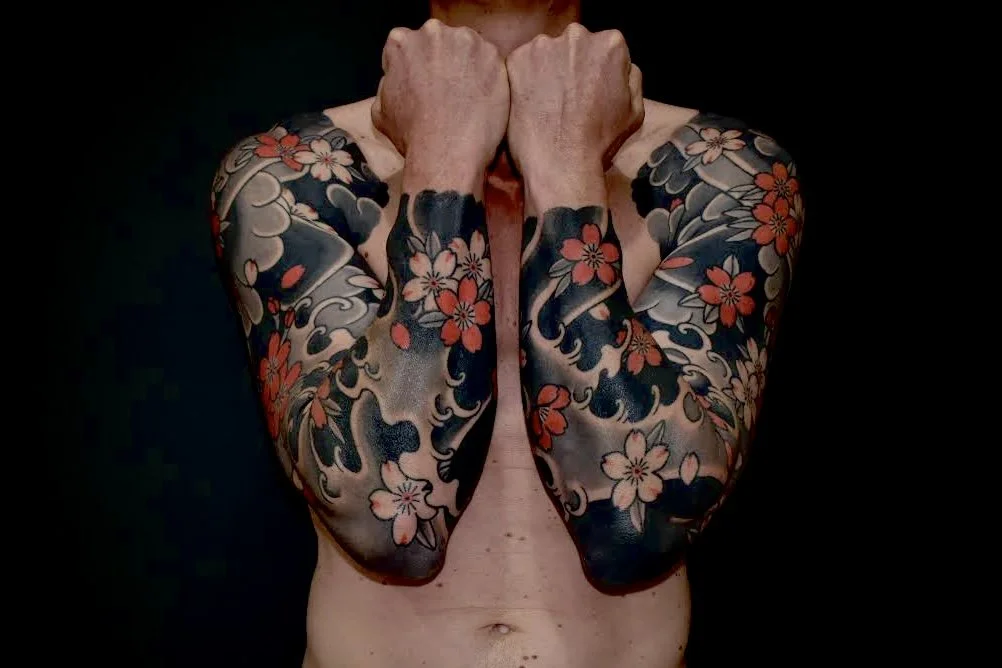
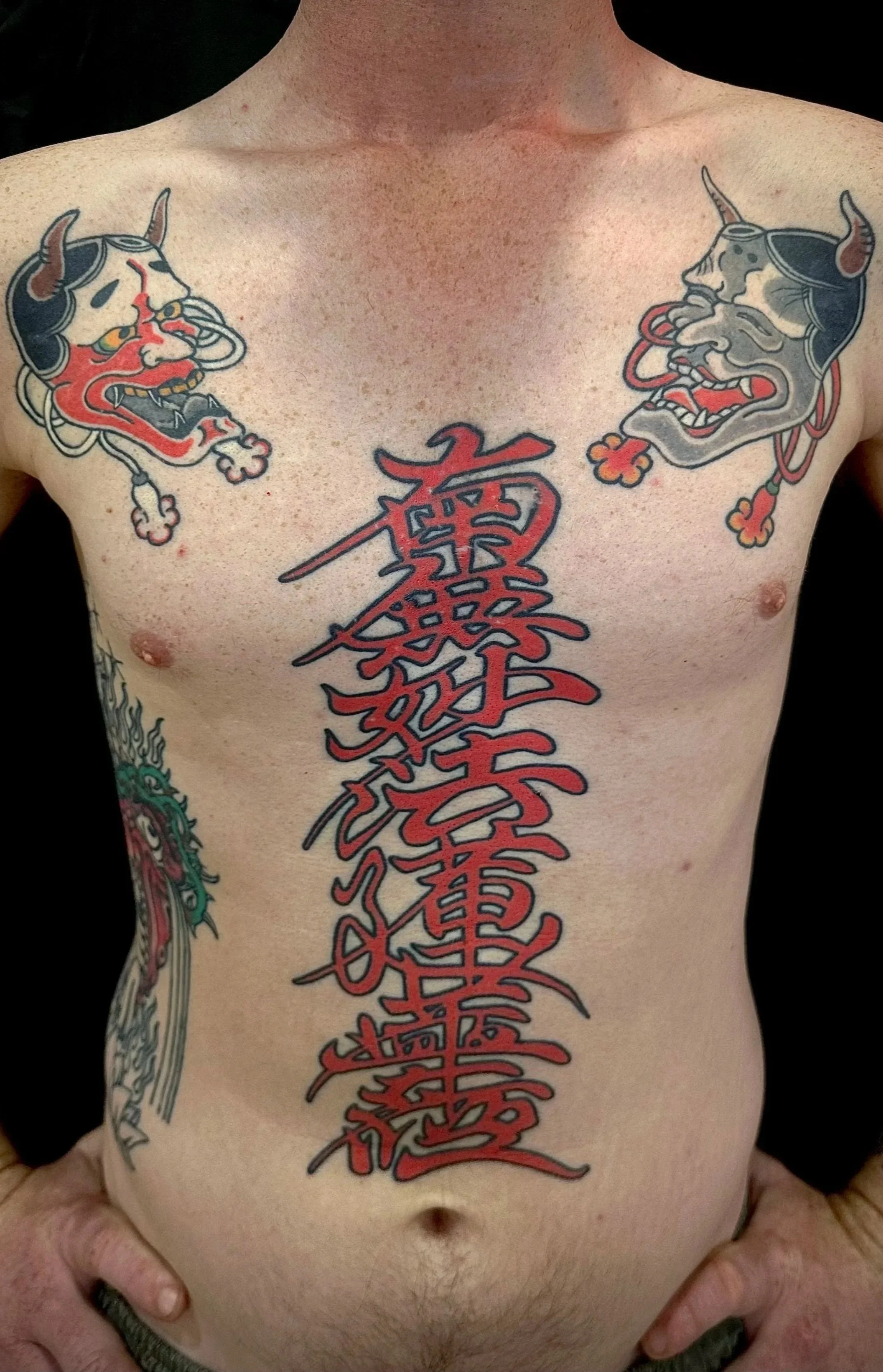
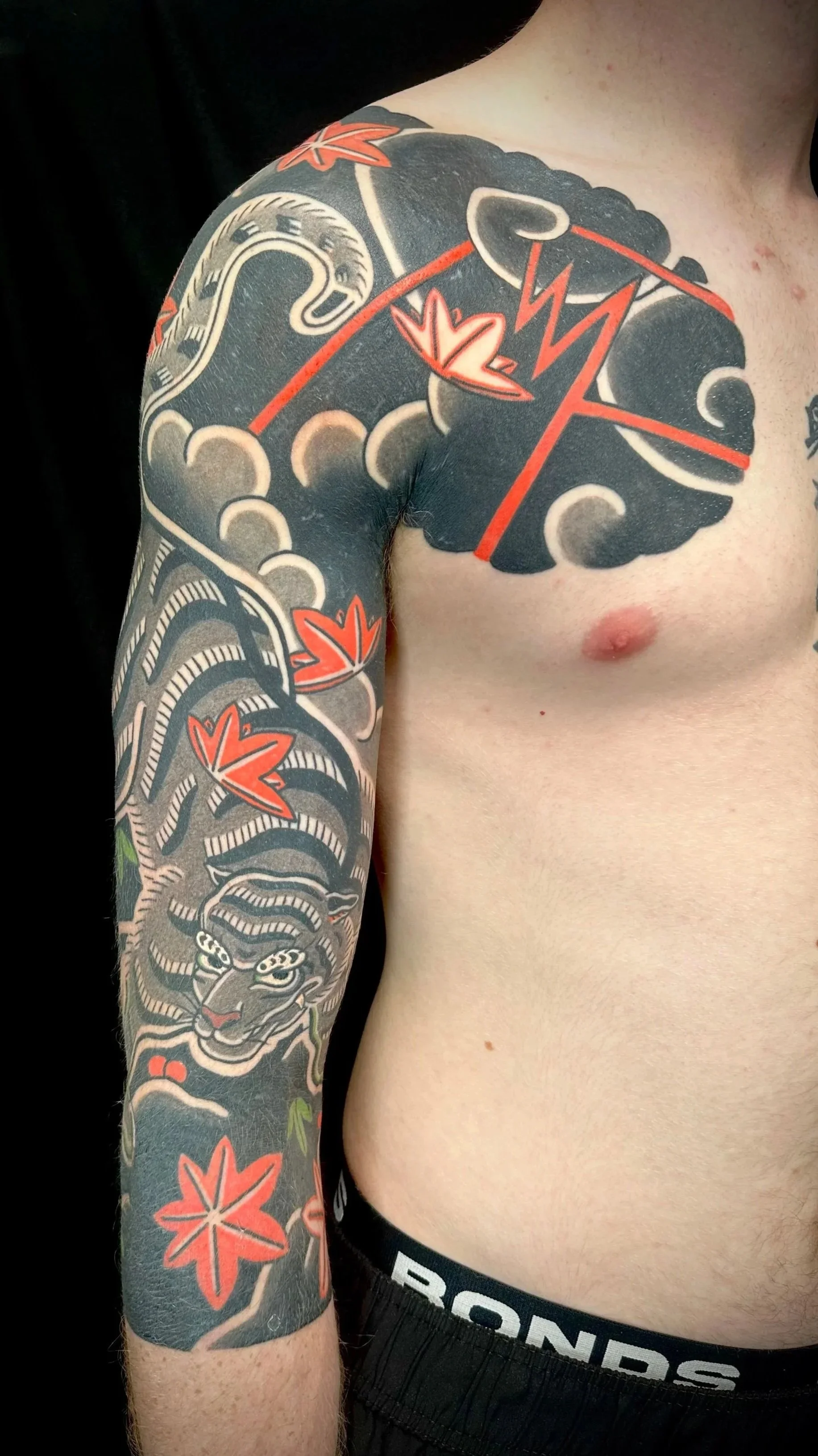
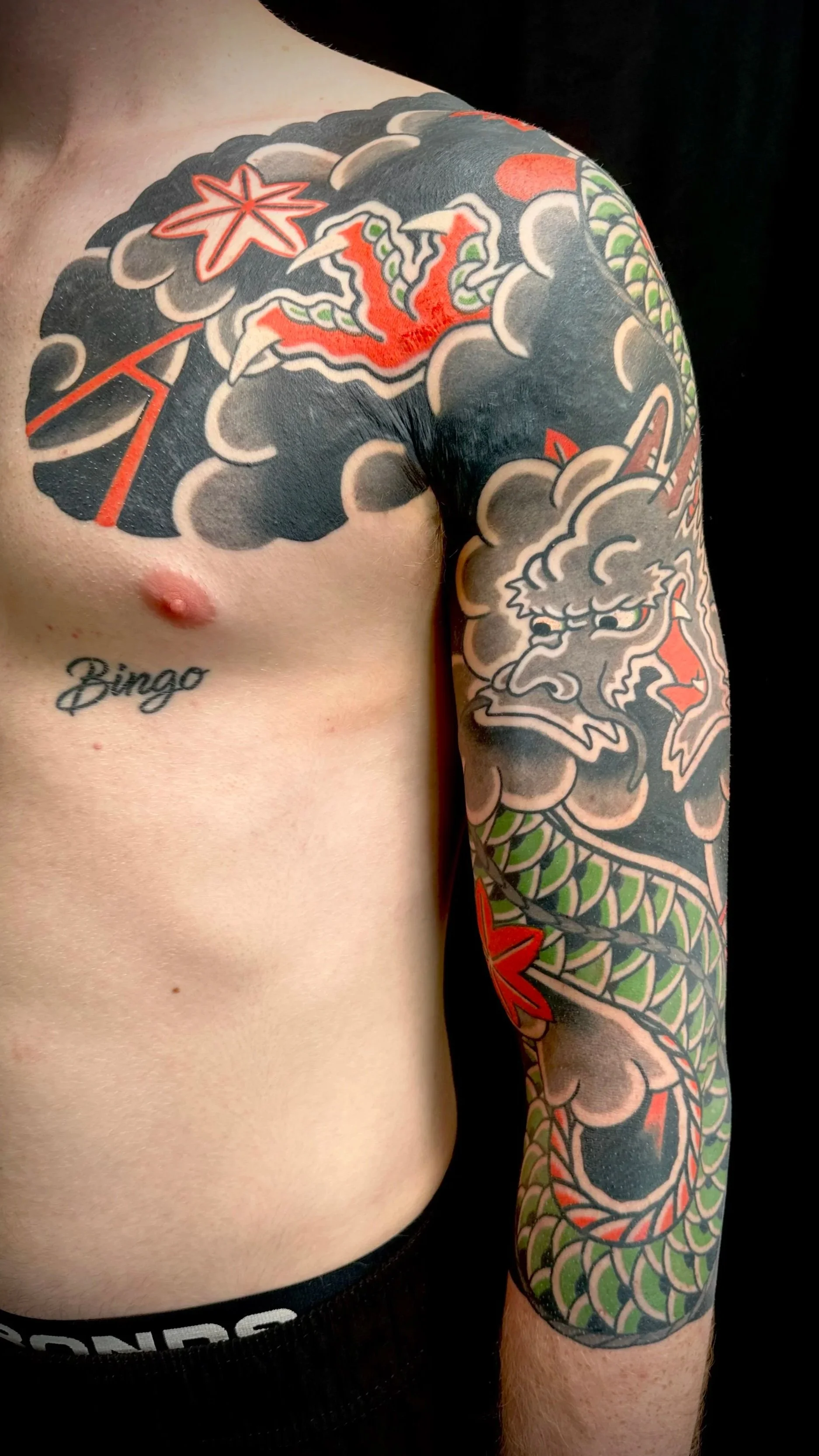
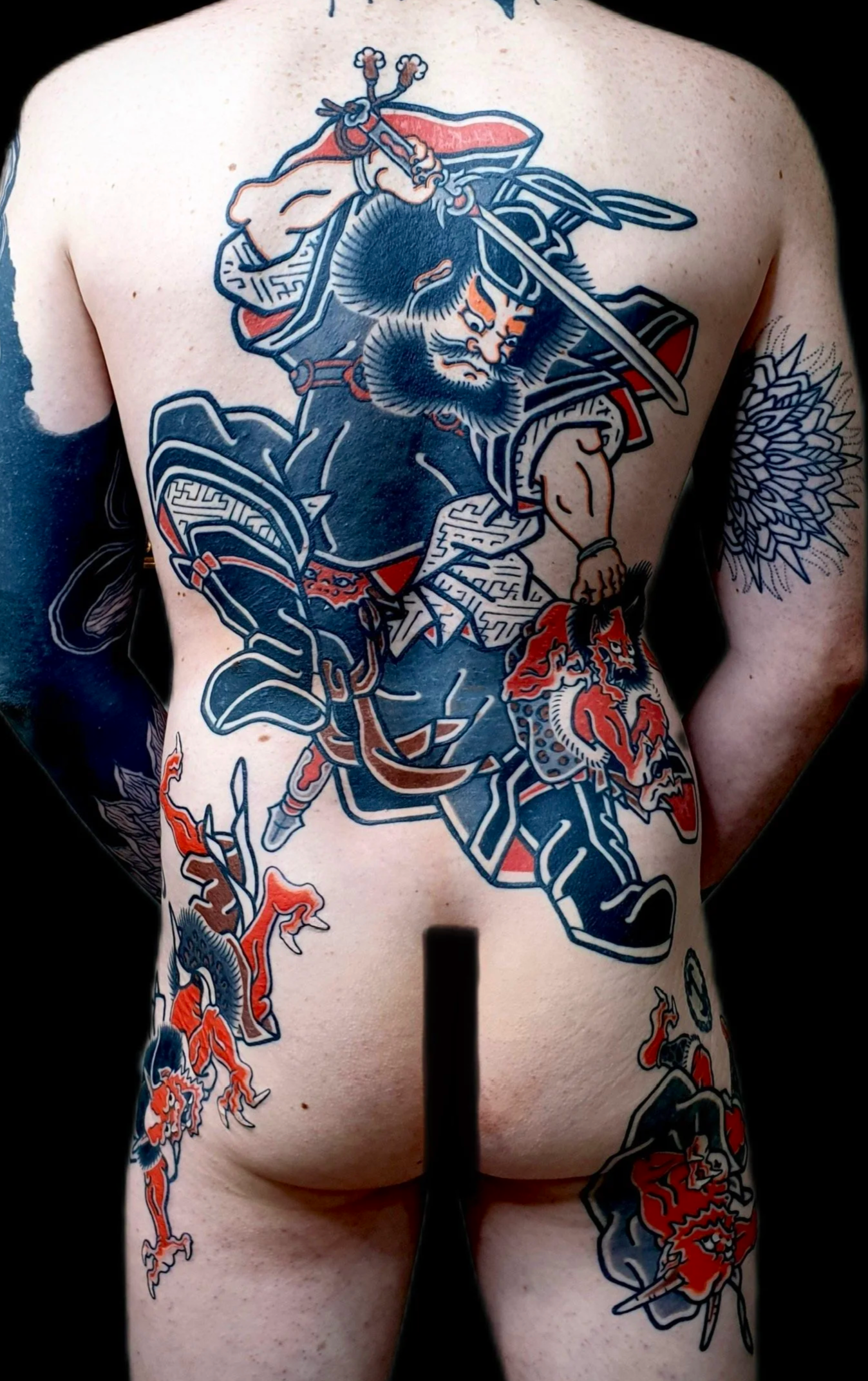
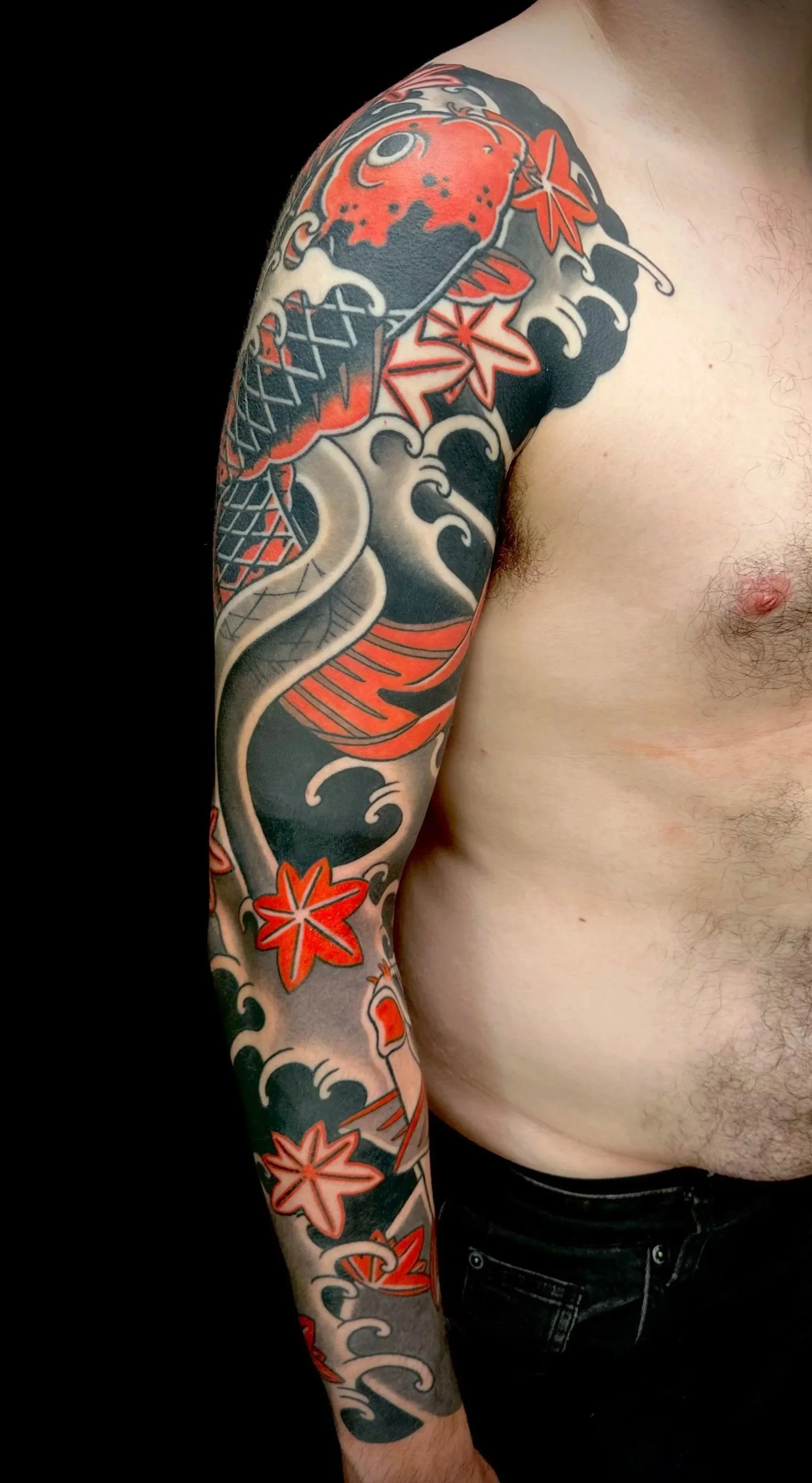
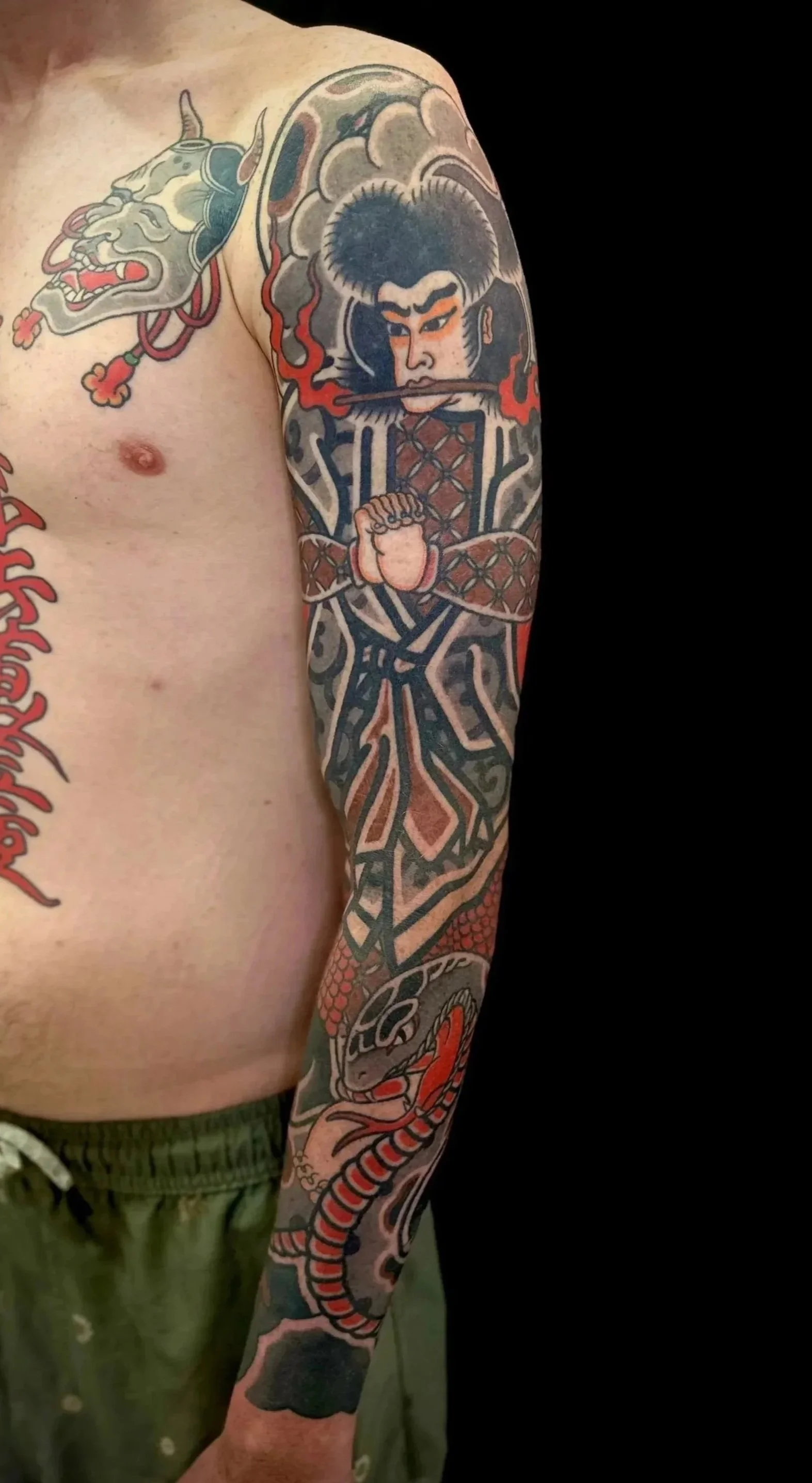
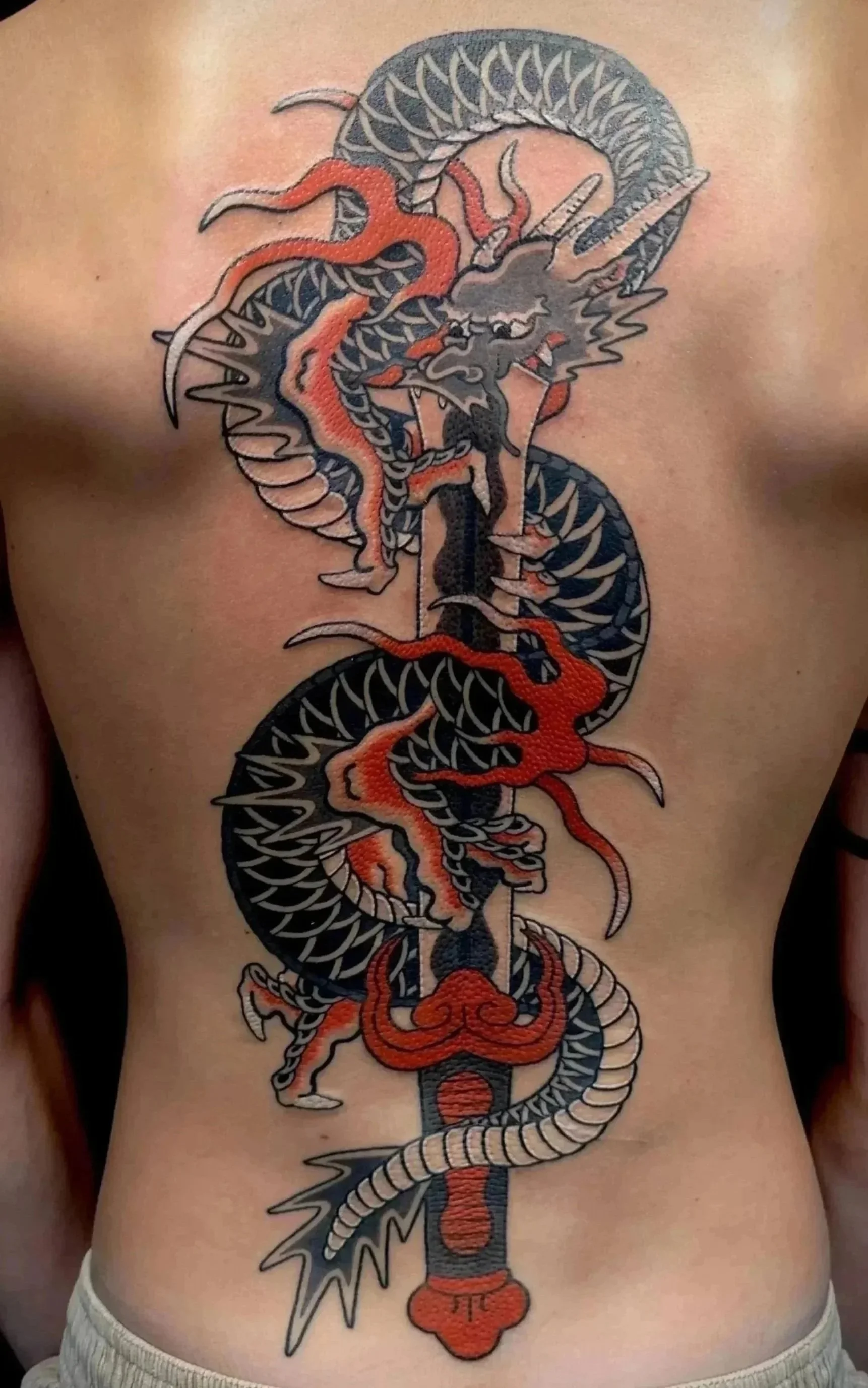
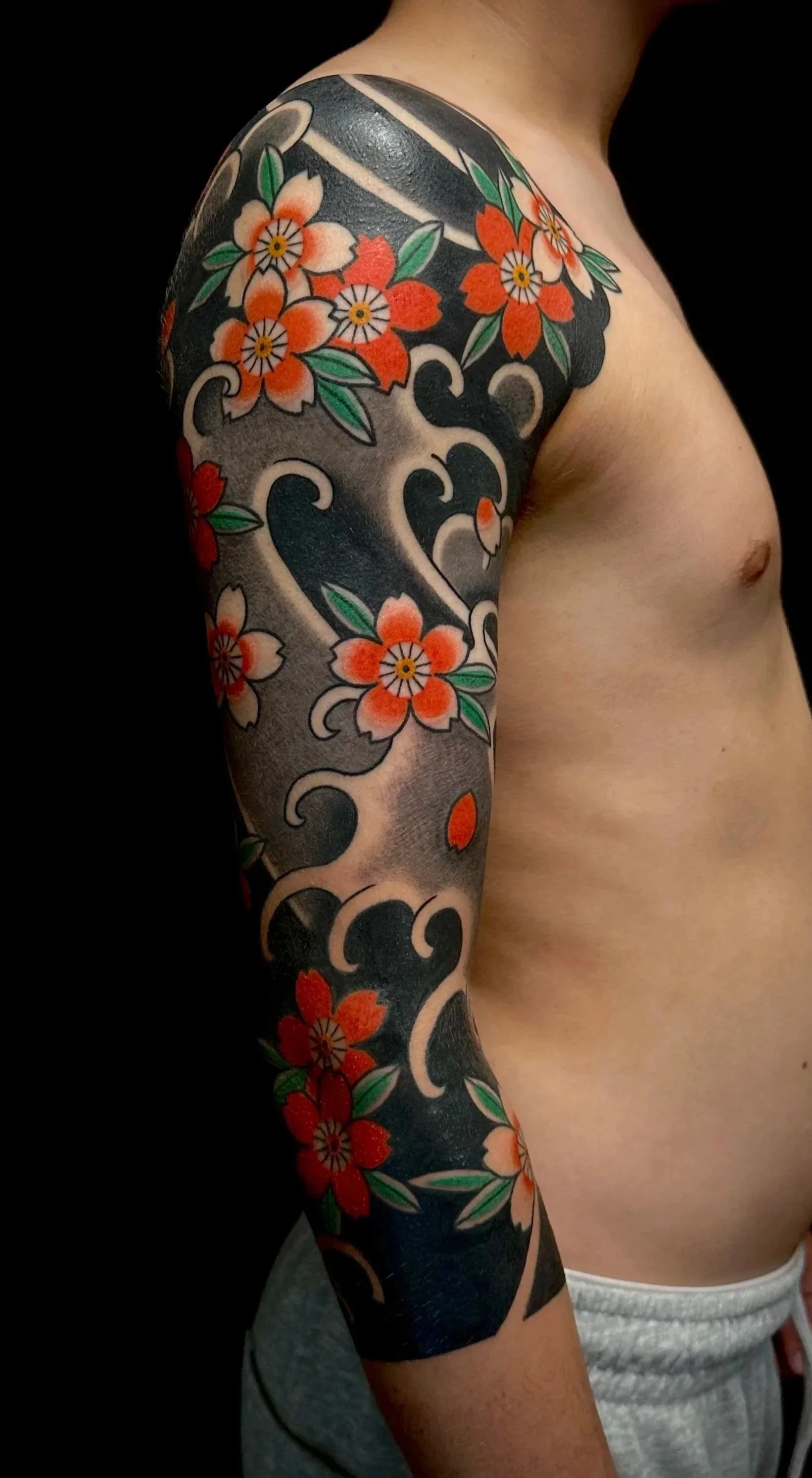
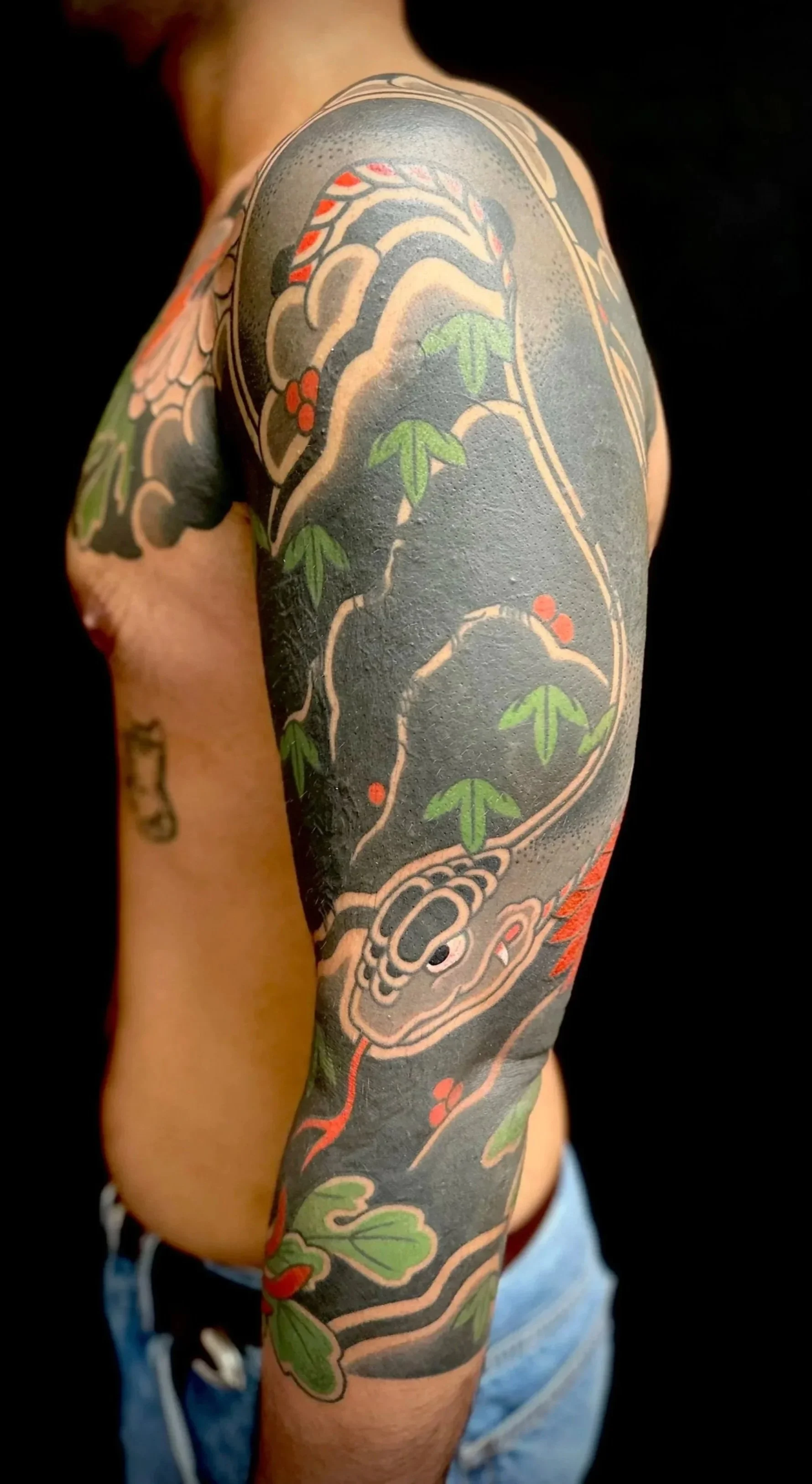
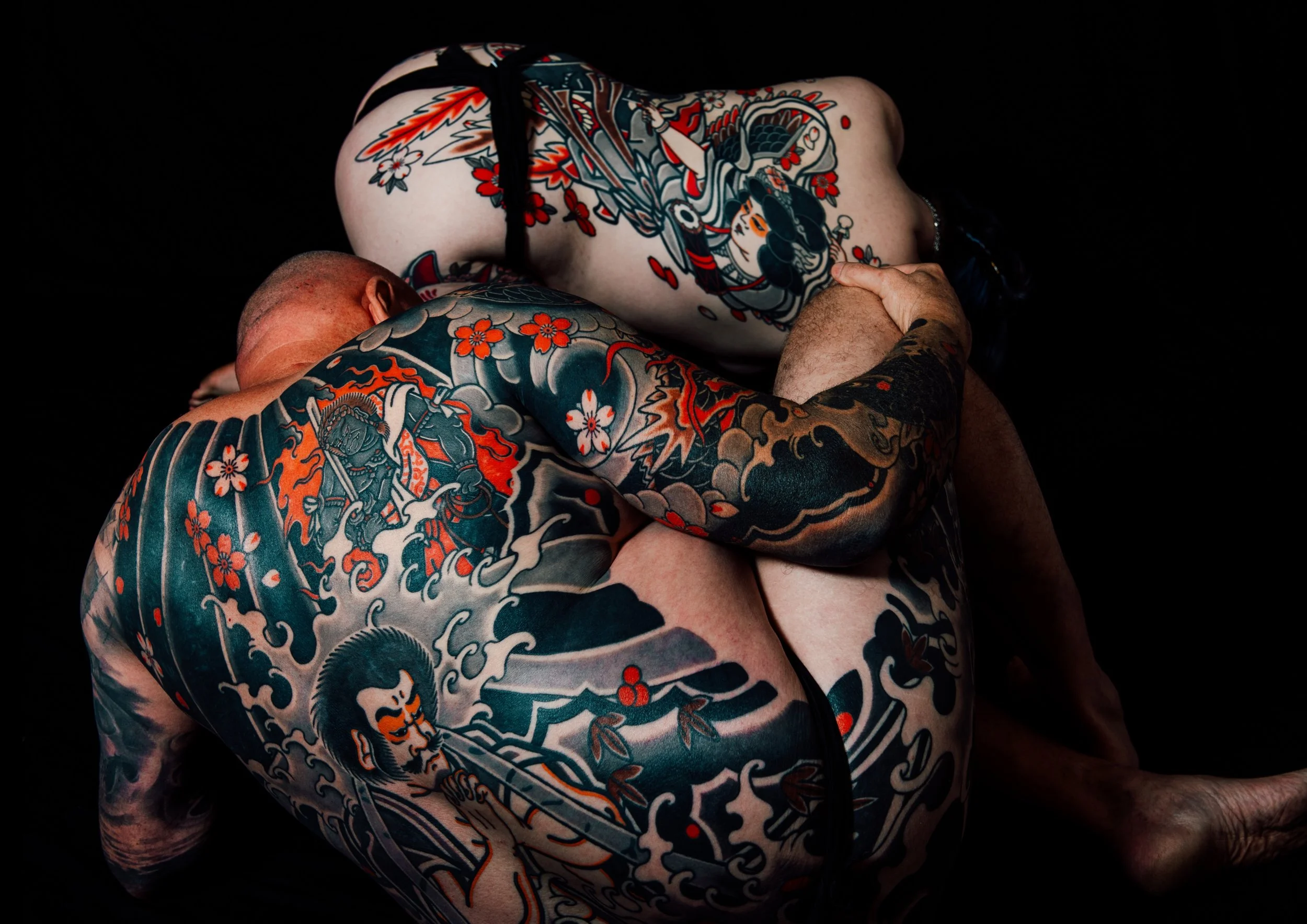
The pieces that Edward creates are large, powerful, bold, and are aimed to age with character, as well as be legible from across the room, even when the wearer is moving.
Using traditional Japanese motifs, Edward works with his clients to come up with pieces to tell a story that resonates with the wearer. He employs simple and strong designs for the subjects, accompanied by bold and powerful backgrounds to create high contrast, legible tattoos.
For colours, Edward mainly uses black and grey, with bursts of vermillion (shu) and sienna (bengara). He also uses a limited colour palette when clients request for pieces with colour.
Although Edward is not of Japanese descent nor has any affiliation with a traditional Japanese tattoo family (ichimon), he strives to use what he learns from traditional Japanese tattooing to the best of his ability.
Edward takes on one point Japanese tattoos and a variety of other styles from time to time. However, his passion gravitates towards the traditional form of Japanese tattooing, thus building his foundation around this style.
influences
Edward draws strong influence from Japanese tattoos of the pre-World War 2 era, mainly by the late Horiuno I and Horiuno II, whose works were prevalent during that period.
The pre-World War 2 era style of Japanese tattooing was relatively straightforward using a very limited colour pallete, with characters being large and bold accompanied by simple elements, and were mostly done by hand-poked methods (tebori). It is considered to be a raw style due to it being one of the first modern forms of tattooing after tribal and punitive tattooing.
Edward also draws influence from the late Horikyo I, whom he was fortunate enough to spend time with when he was still alive. Horikyo I was a renowned Japanese tattoo master who was active from 1966 to 2020 and his works present a raw and powerful feel, which also greatly inspires him.
With these influences, his designs aim to emulate a similar feel of rawness and power, yet bring precision with the use of tattoo machines to suit the standards of modern tattooing.
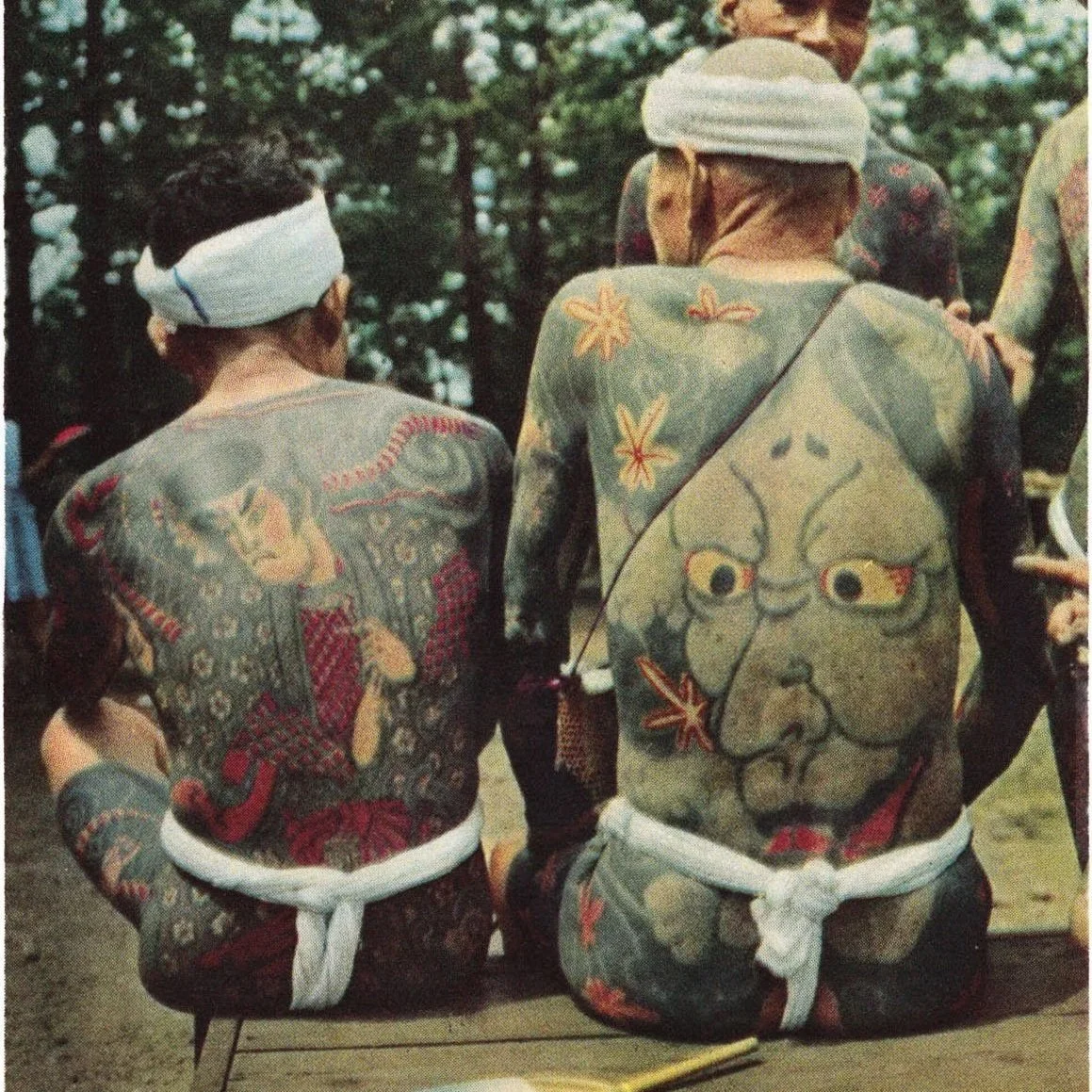
(Left) Unryuukurou by Horiuno II, (Right) Hannya mask by Horiuno I
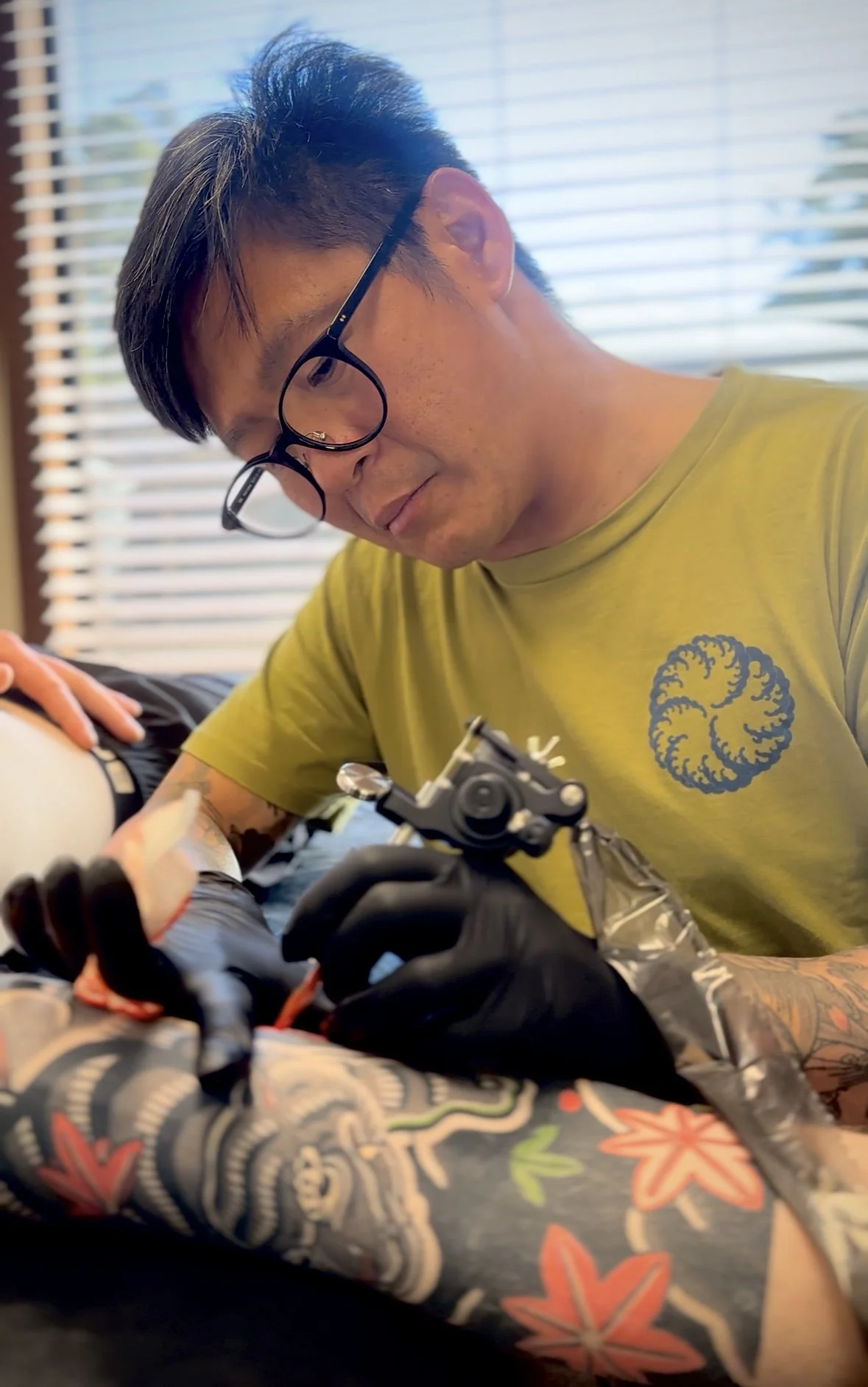
japanese language
Edward started picking up the Japanese language during his travels in the mid 2000s. When he majored in Japanese at university afterwards, he cultivated a great appreciation for not only the language, but its culture and art as well. Before Edward started tattooing, he taught Japanese in high schools. He then tutored part-time at the University of the Sunshine Coast during his earlier years of tattooing.
This proficiency in the Japanese language allows him access to crucial information on Japanese art and tattooing, which greatly aids his study on traditional Japanese tattooing
Edward references mostly from old tattoos, pictures and paintings such as woodblock prints (ukiyo e), and makes his own renditions while keeping closely to the original designs. While he must always give credit, it allows his tattoos to have a strong foundation from his studies.
For large-scale Japanese tattoos (horimono) with Edward, there are certain considerations that are important to keep in mind, such as the harmony of the subjects.
For bodysuits, it is always recommended to start with the backpiece, flowing out to the arms, then to the front and finishing up with the legs.
For backpieces, it is important to choose a subject that resonates with the wearer the most, as it is the central piece on the body.
For sleeves, it is always recommended to get both sides instead of one, with complimenting subjects.
bold will hold